Dominican Republic
[hr]
[expand title=”Click here for Dominican Republic Image Gallery”]
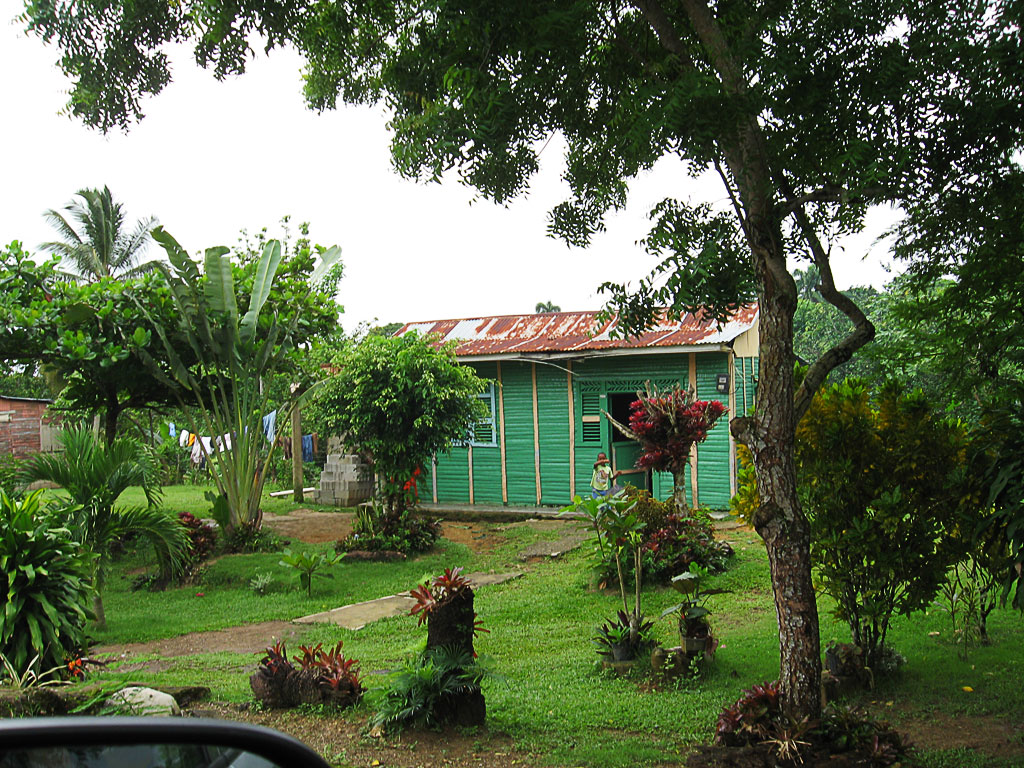
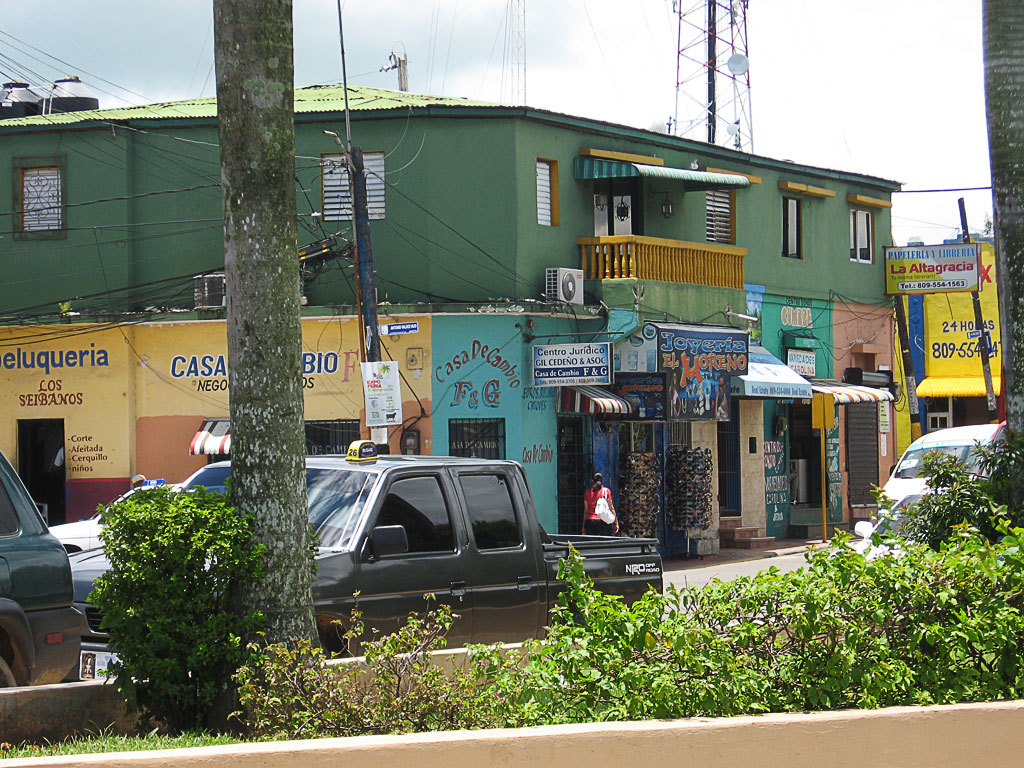
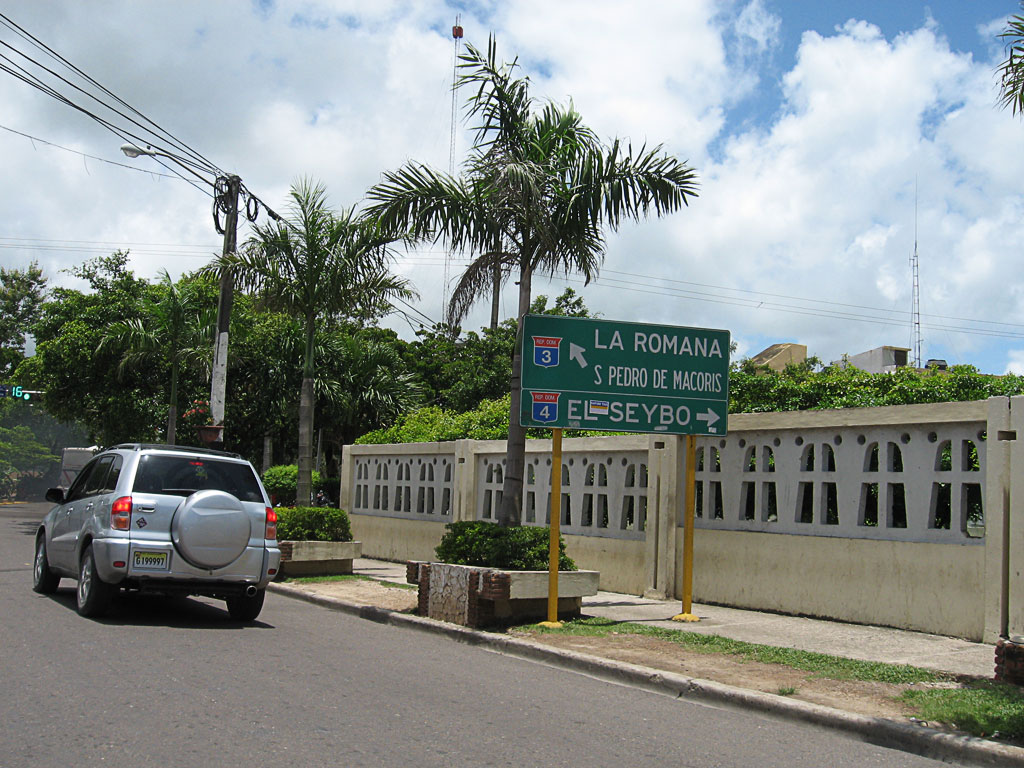
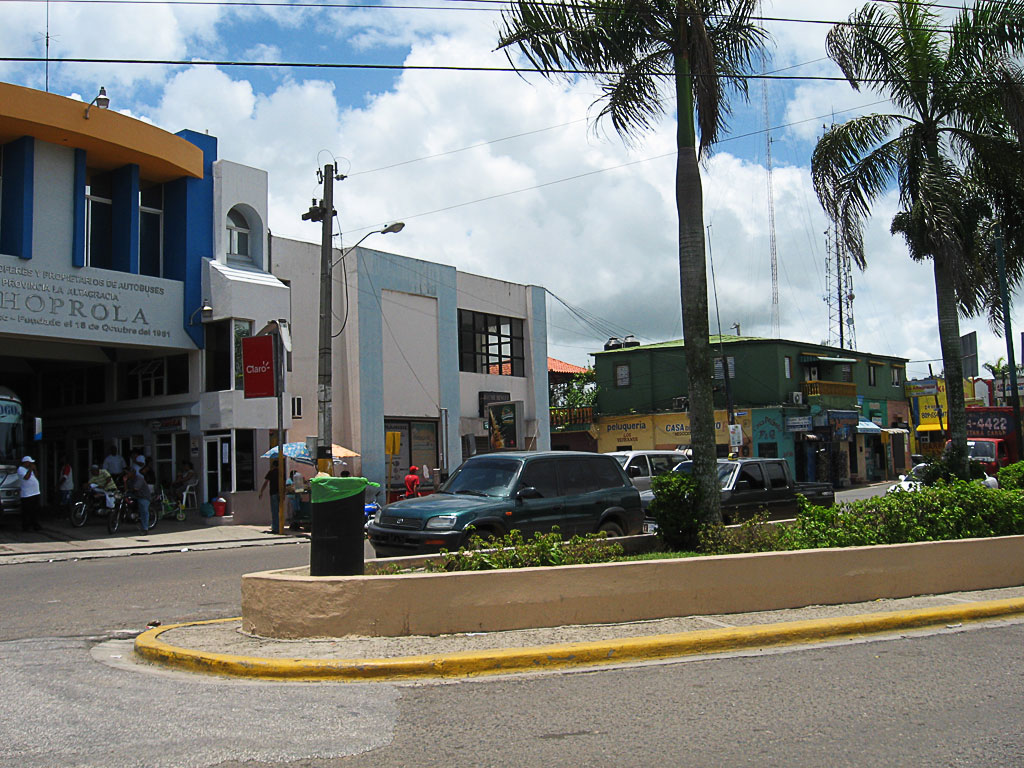
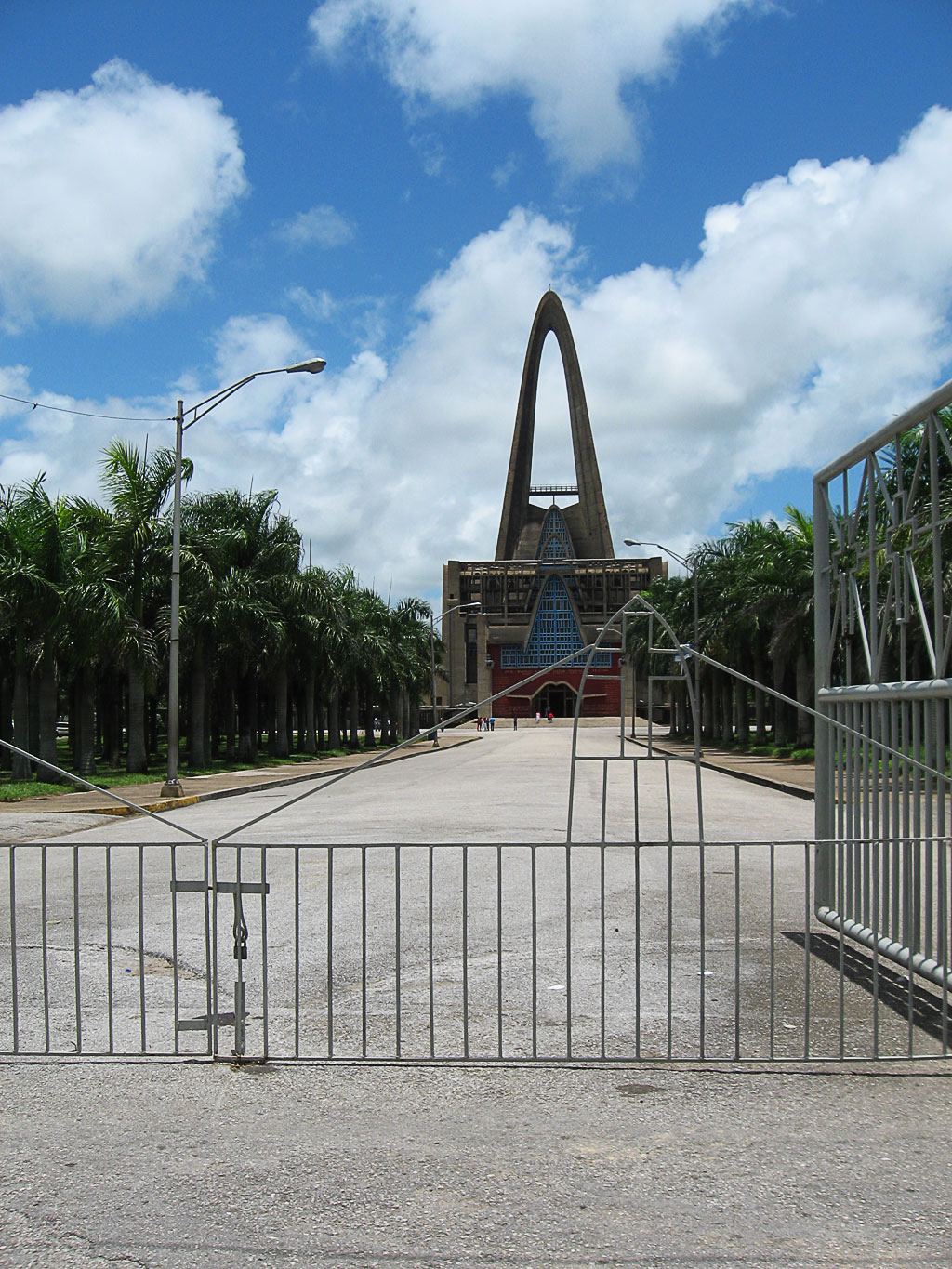
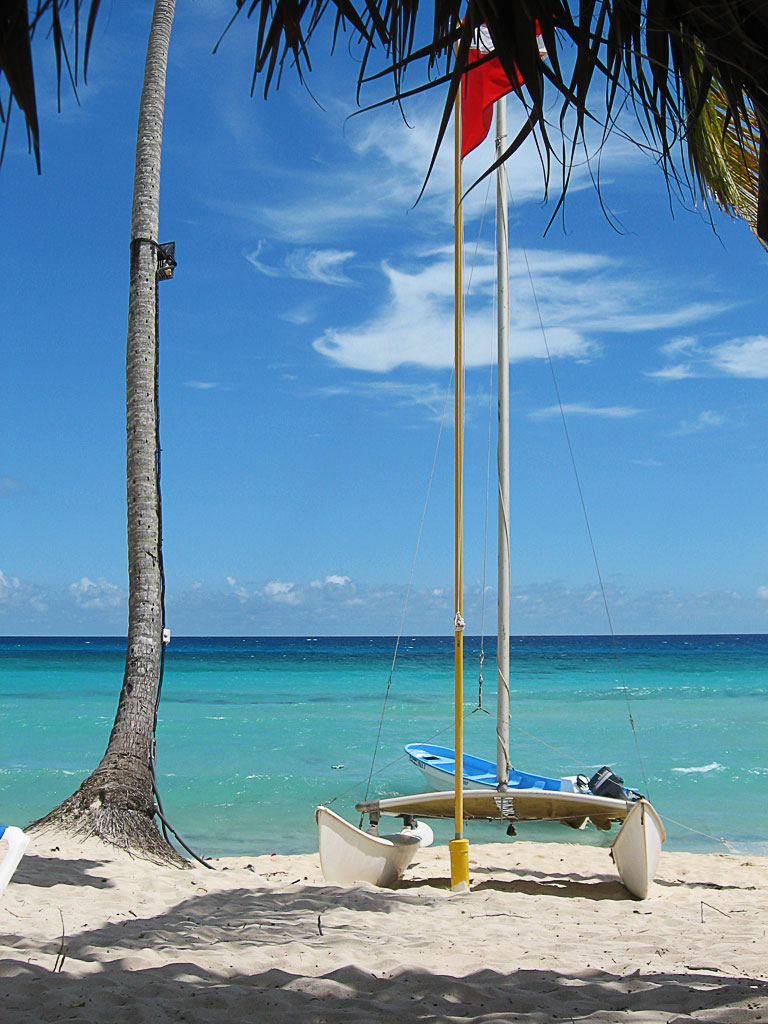
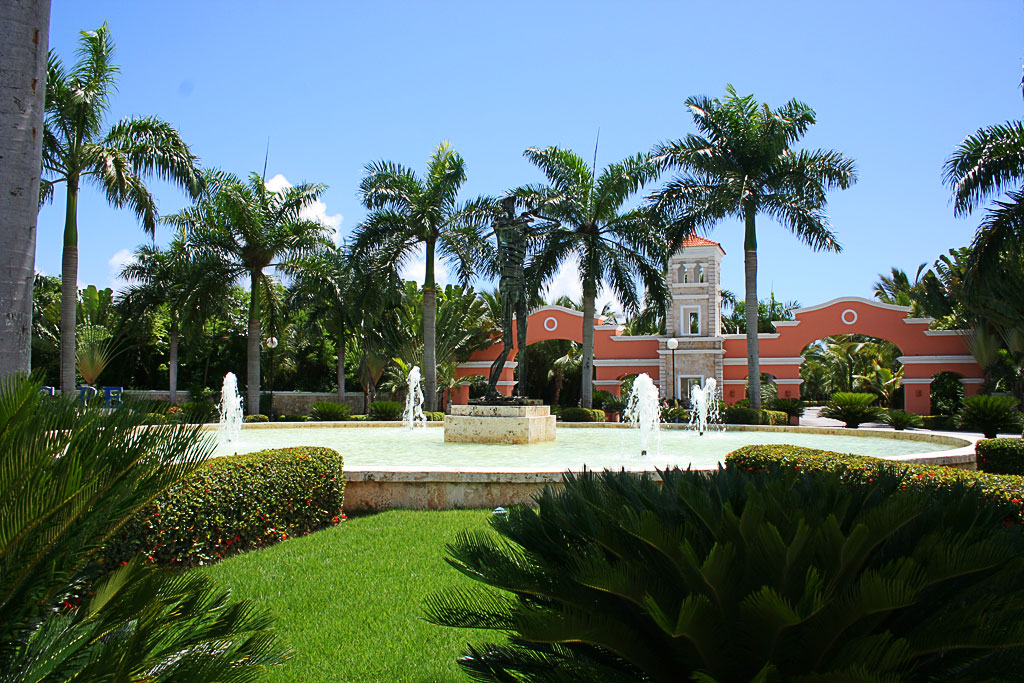
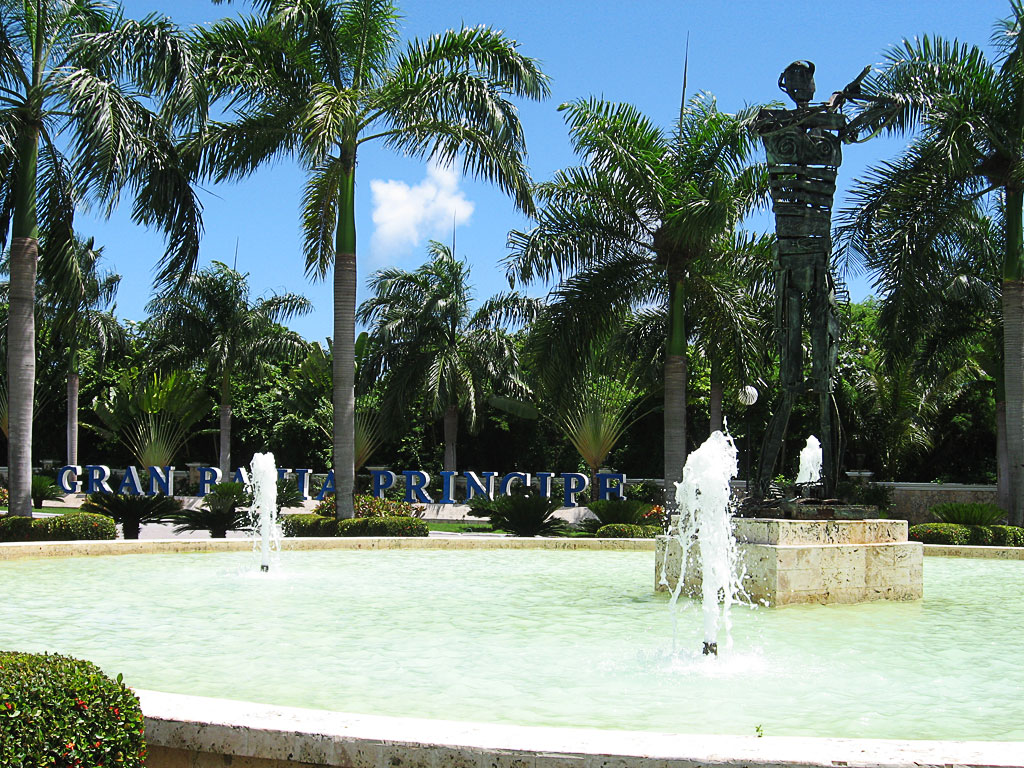
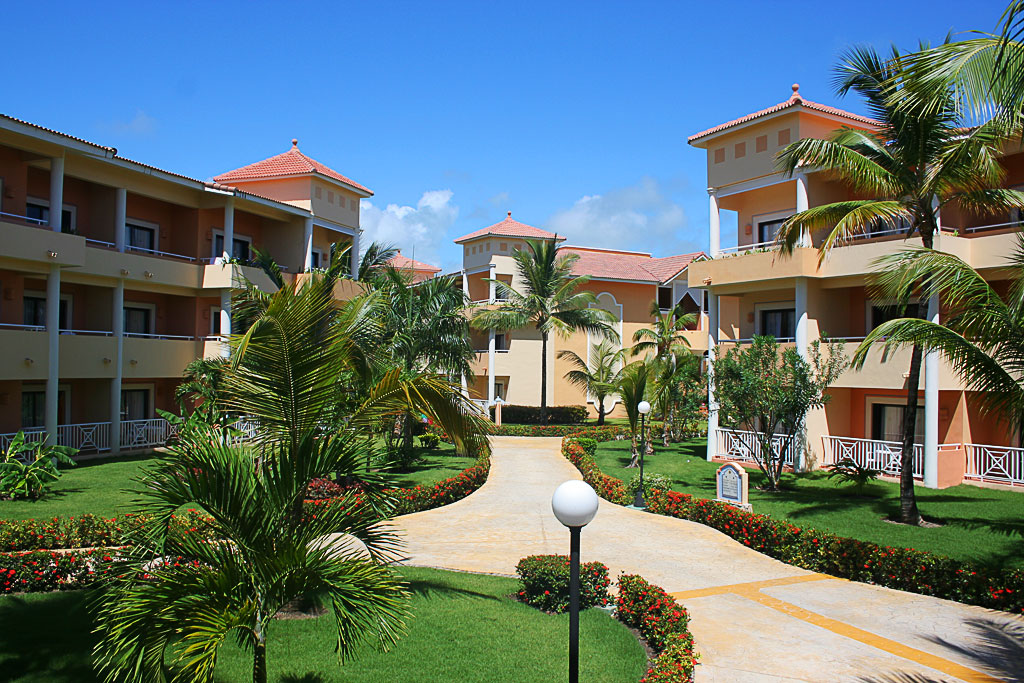
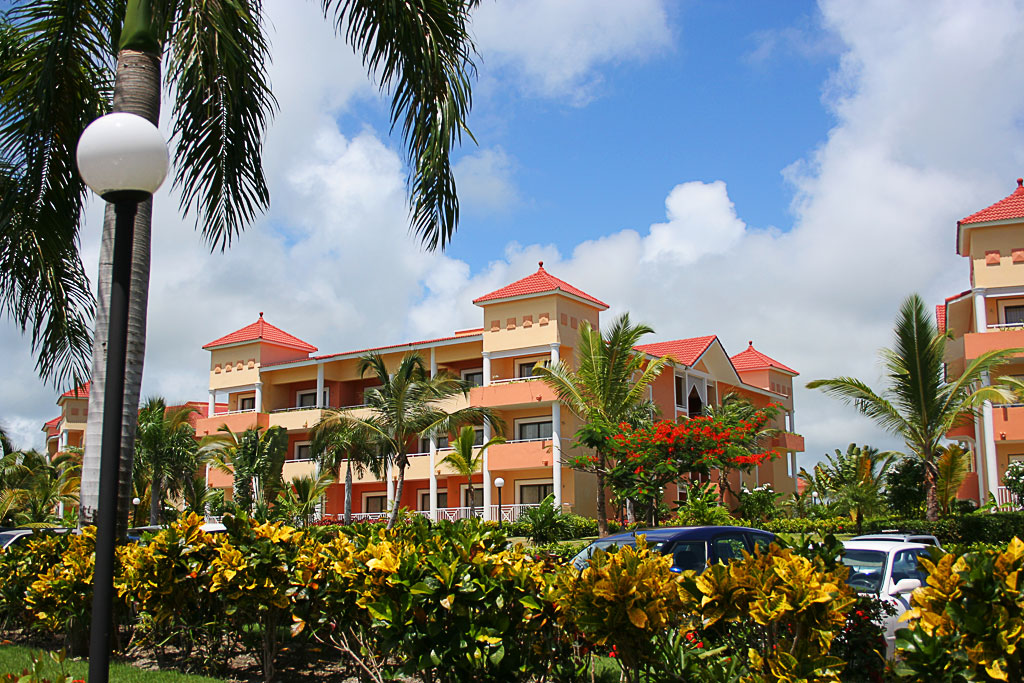
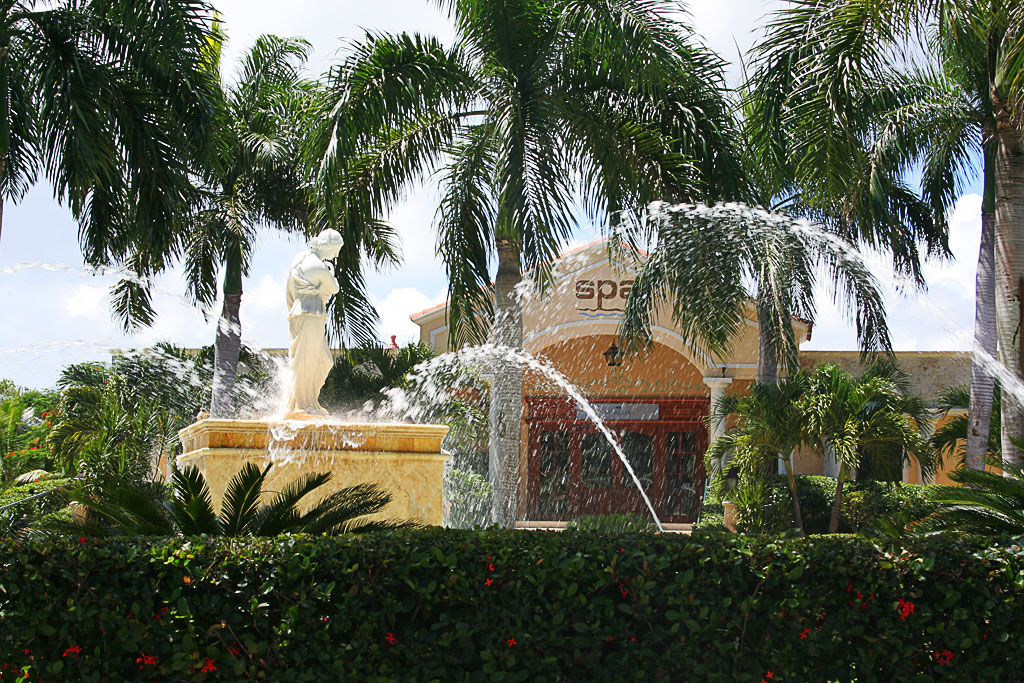
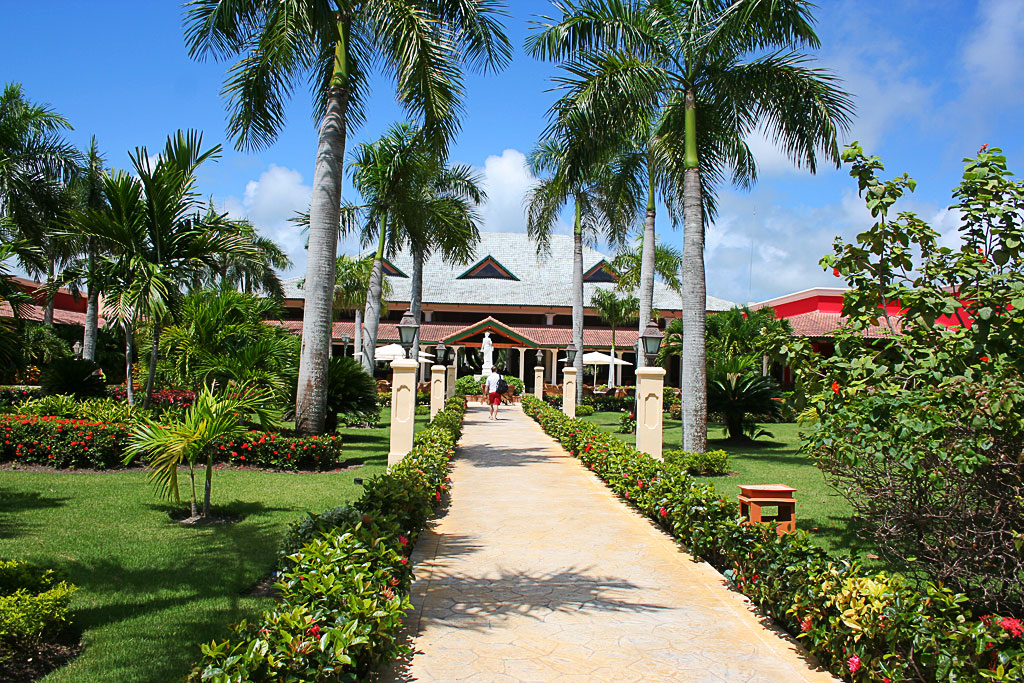
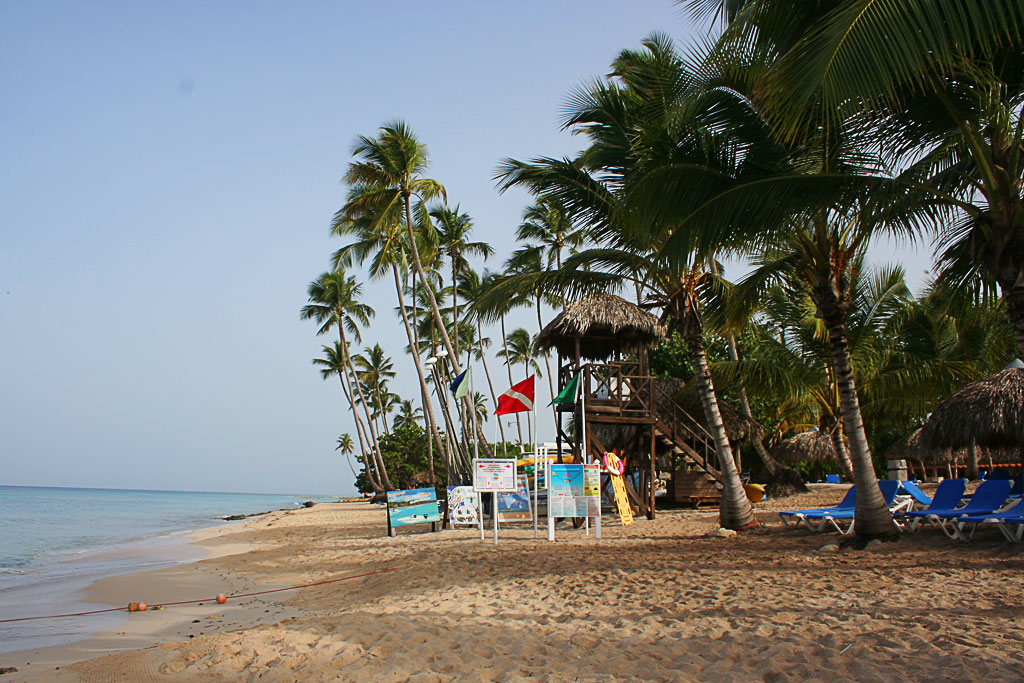
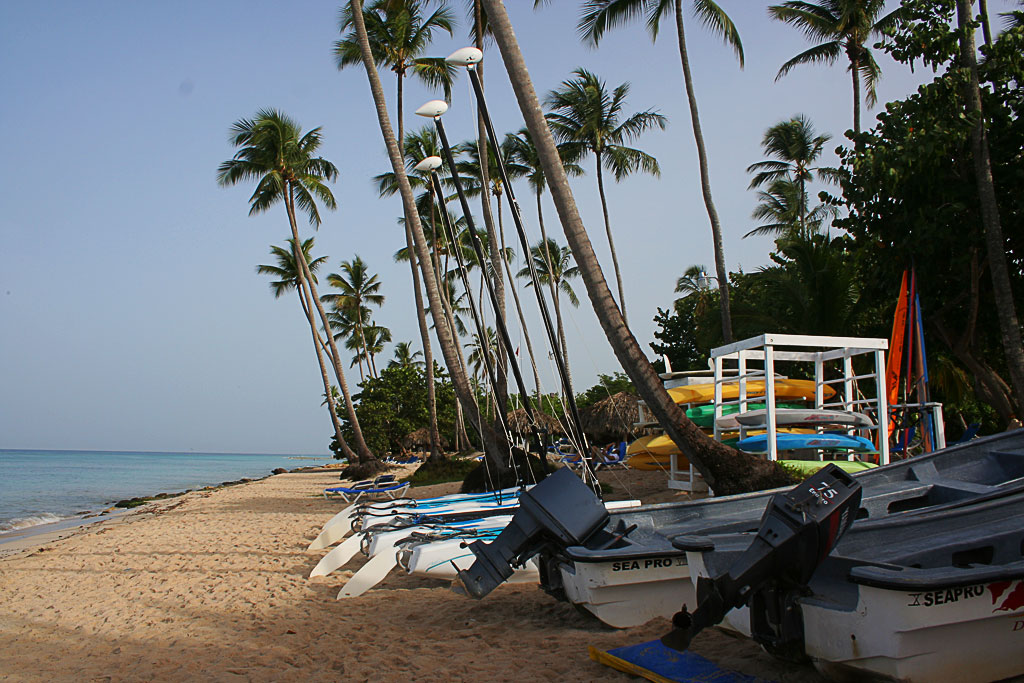
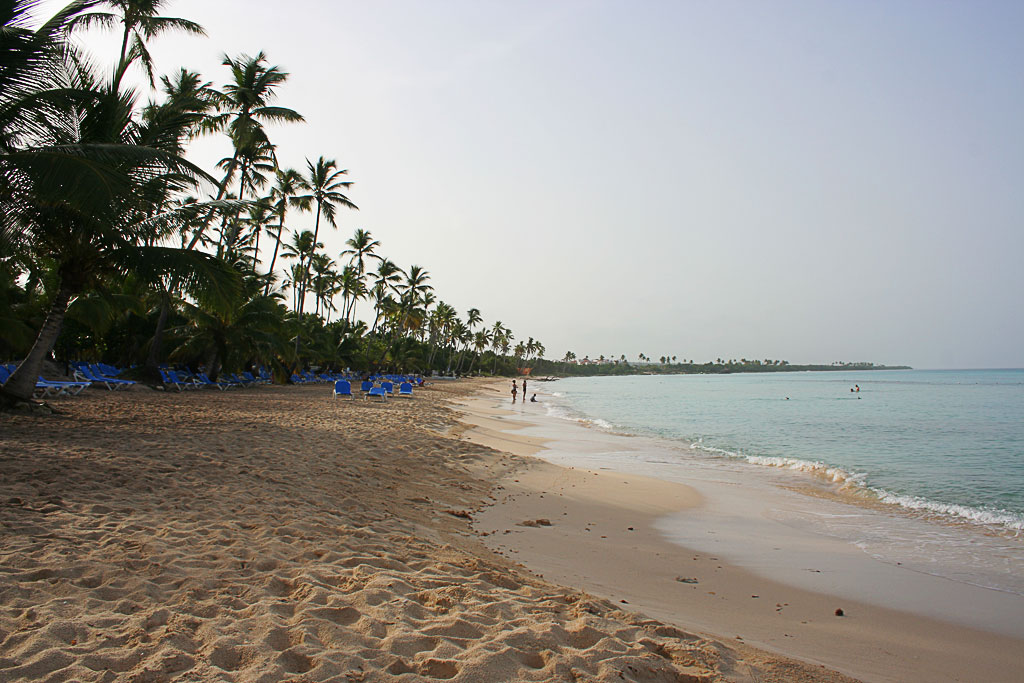
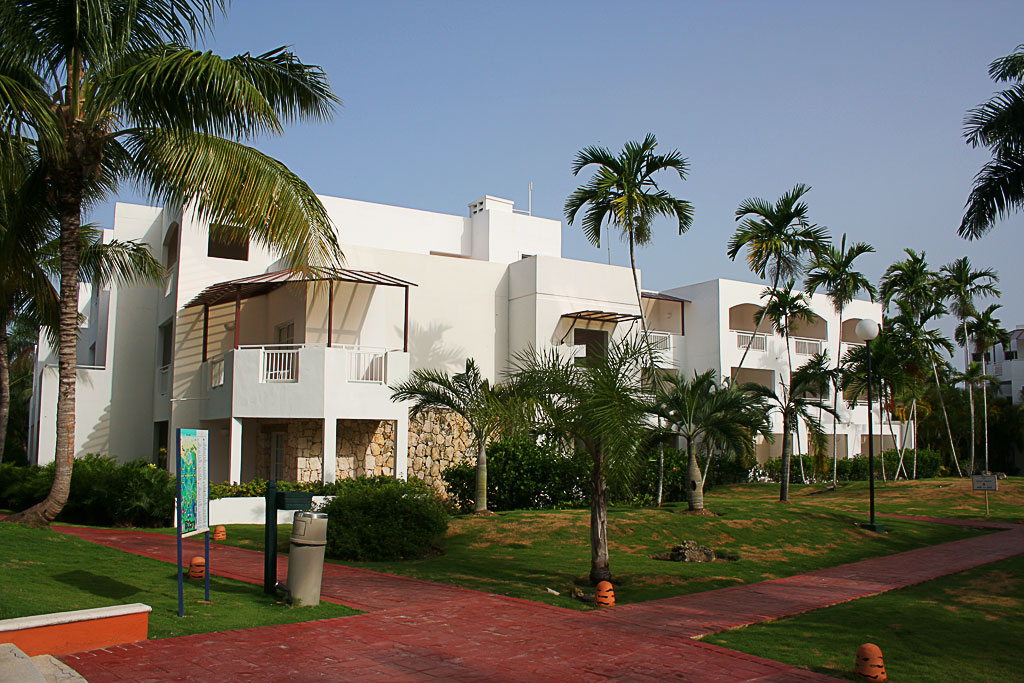
[/expand]
[hr]
Dominican Republic (Quisqueya)
A brief history of Dominican Republic
[dropcap]T[/dropcap]he Dominican Republic also called Hispaniola is located in the heart of the Caribbean divided by Haiti on the westernmost third of the Island. The Dominican Republic is the second largest Caribbean nation (after Cuba), with 48,442 square kilometers (18,704 sq mi). The capital is Santo Domingo. The highest point is Pico Duarte 3,098 meters above sea level and the lowest point is Lake Enriquillo -46 meters below sea level.
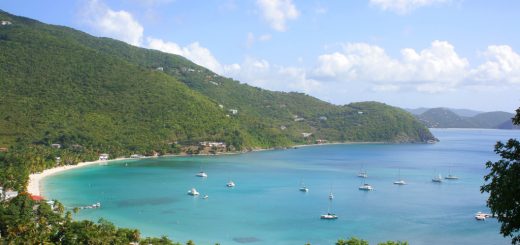
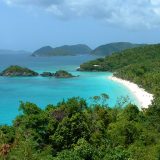
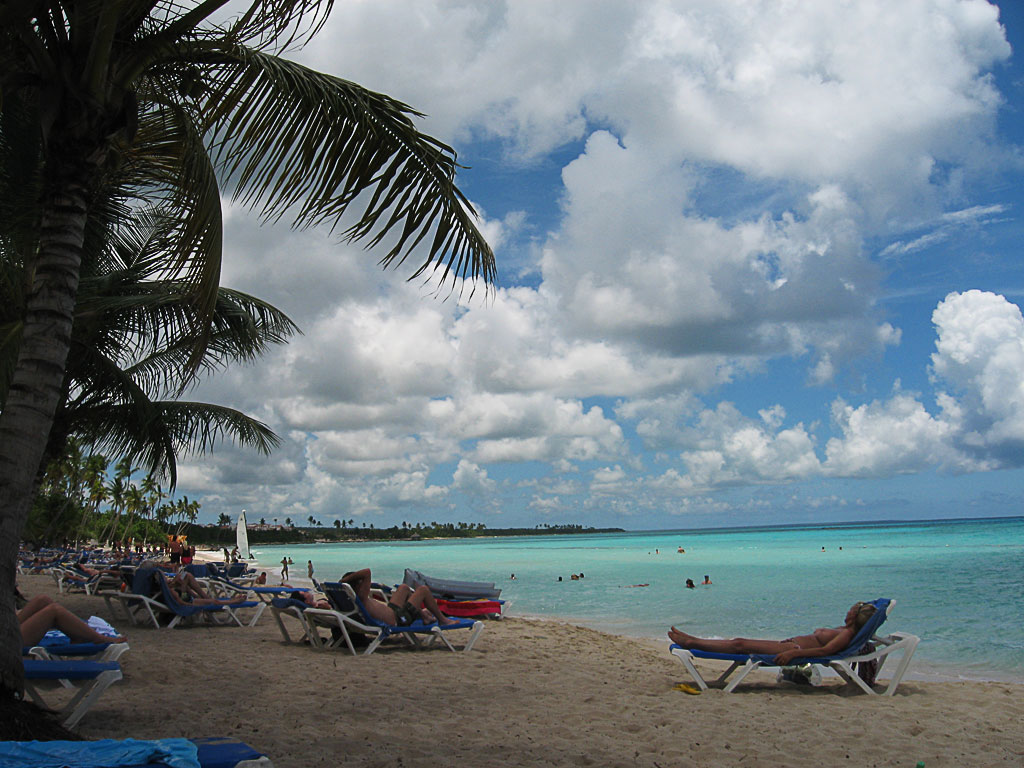
The Dominican Republic was originally inhabited by the Tainos and Caribes. Christopher Columbus landed on it in 1492, and claimed the island for Spain becoming the first permanent European settlement in the Americas. Much of what Columbus first sighted still remains in a natural, unspoiled condition. After three centuries of Spanish rule, with French and Haitian interludes, the country became independent in 1821. Today the Dominican Republic has the ninth largest economy in Latin America and the second largest economy in the Caribbean and Central American region. Dominican Republic economy is highly dependent on tourisms. One third of the Dominican Republic’s coastline is devoted to beaches.
Climate in Dominican Republic
The weather is nearly perfect all year round. Temperatures are mostly cooler from November through April and warmer from May through October. Dominican Republic has an average temperature of 78-88°F, and could be best described as “endless summer”. The trade winds blow gently to cool the island, and they generally make the temperature drop about 8-10 degrees in the evening. The coolest region is the Cordillera Central where high temperatures can be around 60°F. The rainfall in the Dominican Republic is seasonal with clonazepam online france the wettest months generally from May to November.
The Dominican Republic is occasionally damaged by tropical storms and hurricanes, which originate in the mid-Atlantic and southeastern. The hurricane season ranges from June – November, but the Caribbean is a large area and the chances of a direct hit are not very high.
Language in Dominican Republic
Spanish is the official language of Dominican Republic, although English is widely spoken mostly on the tourist part of the island. English being taught as a secondary language in most private schools, it is also being taught in public school as well.
Currency Dominican Republic
The official currency is Dominican peso made up of 100 centavos although United States dollars (USD) and euros (EUR) are also accepted at most tourist sites. Major credit cards are accepted in the majority of restaurants and shops around the islands.
Most banks are open Monday to Friday 8:30am to 4:30pm. ATMs are also found at most of the branches. Bank booth at the international airports and major hotels will change your currency at the prevailing free-market rate.
Dominican Republic Accommodations
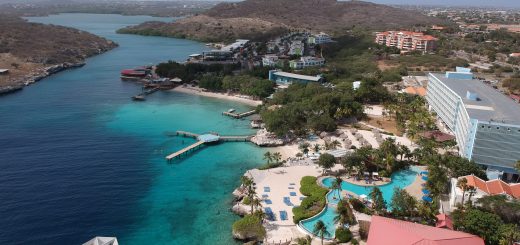
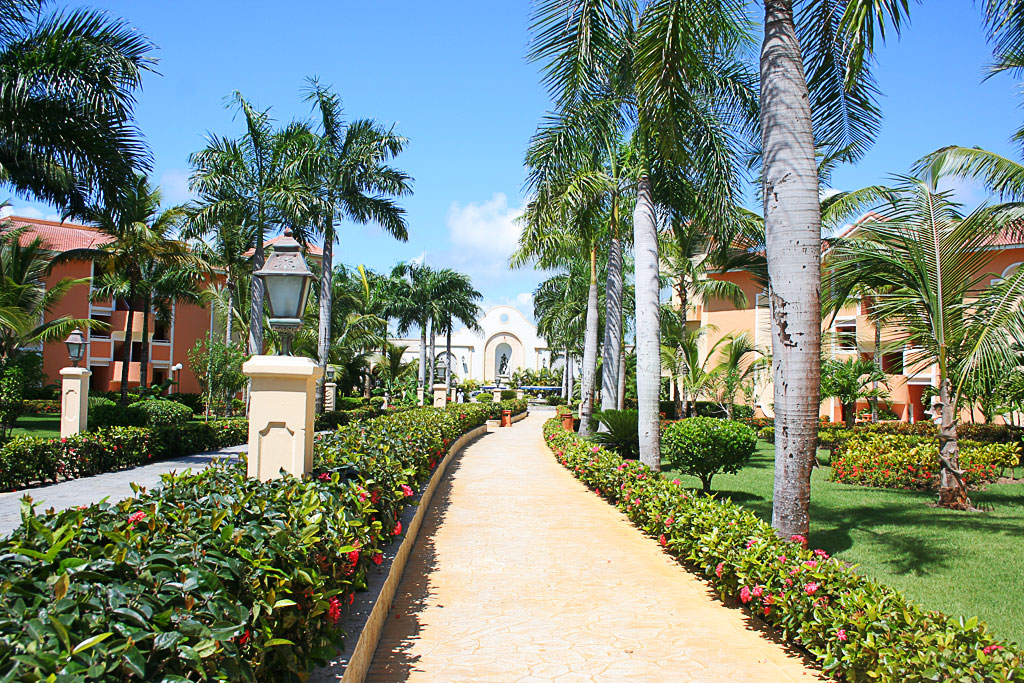
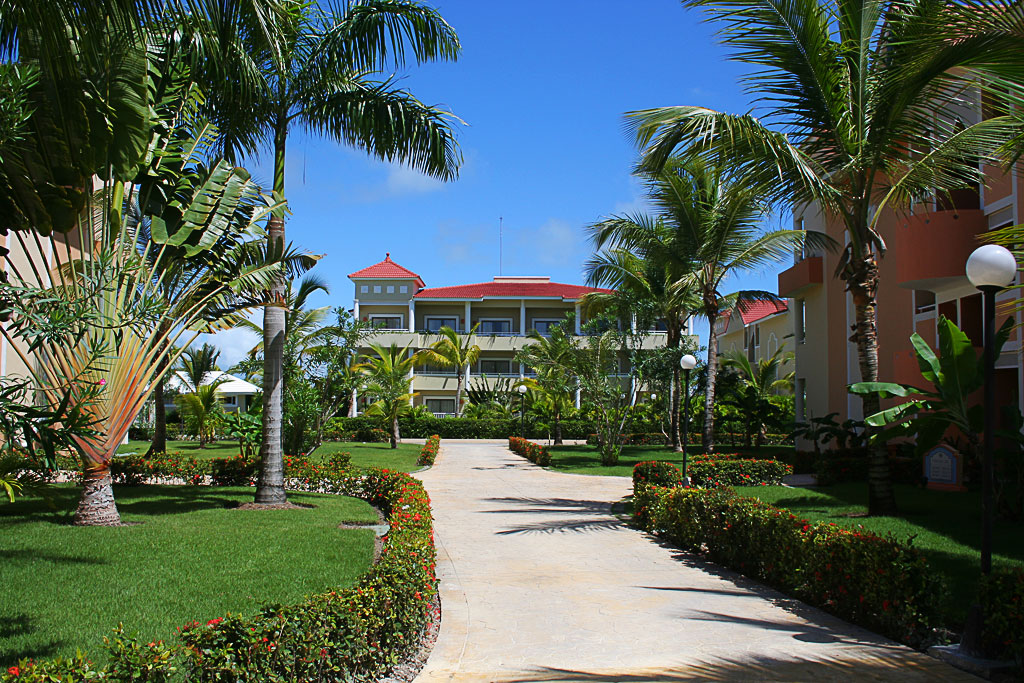
Lodging in the Dominican Republic is plentiful, with options ranging from huge, all-inclusive beach resorts to more personal options and private villas scattered along the coasts and in the cities. If you have a large or small group you will find a place to satisfy your needs. The high season usually runs from Mid-December to Mid- April. Lowest season runs from May to August.
Things to do
The Dominican Republic offers the perfect combination of exclusive relaxation and sightseeing excitement. , packed with life, filled with history and fun activities. It’s not as expensive as you think, with quality deals available especially during the summer months. Some of the best beaches can be found in Puerto Plata, and La Romana.
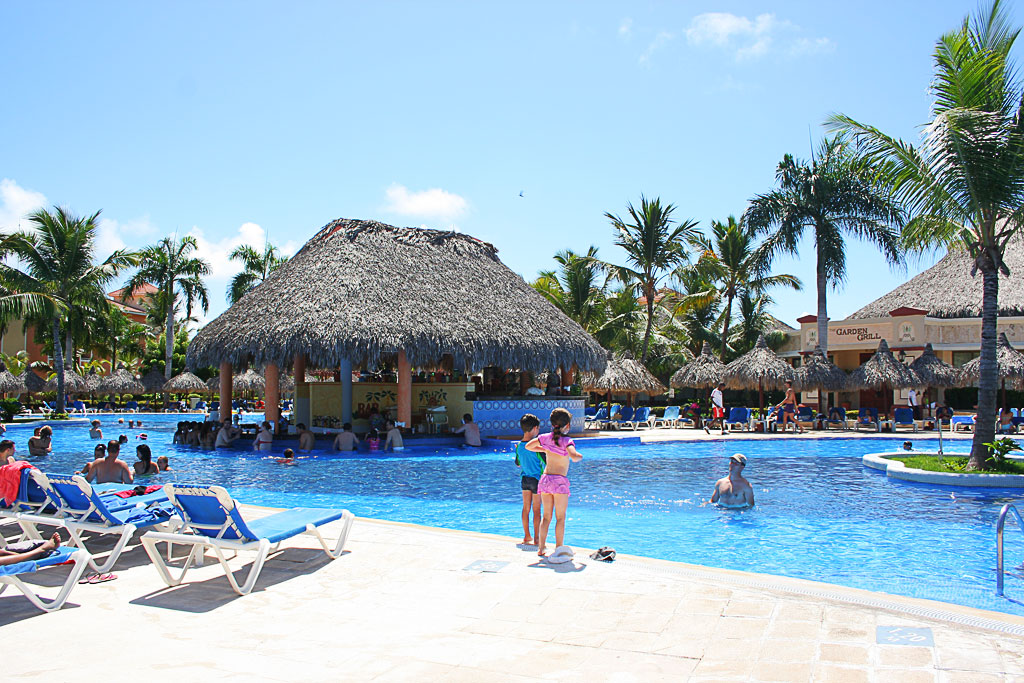
The all inclusive concept may be one of the most popular tourism promotions and even more beneficial than the swim-up bar. You could get your accommodation, meals, drinks, entertainment, tips, activities and even spa treatment in one price tag.
During the month of February the city of La Vega bursts to life for its annual carnival, renowned as the most colorful and raucous in the country. More than 100,000 people pack the streets over the last weekend of the month.
If you love the Nightlife you will love the Dominican Republic were you could find lots of nightclub and casinos. Dancing is a national passion even more than baseball. The happy hour start early and end late. The Dominican Republic’s traditional dance is called Merengue were partners hold each other in a closed position.
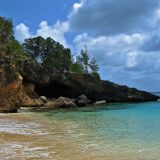
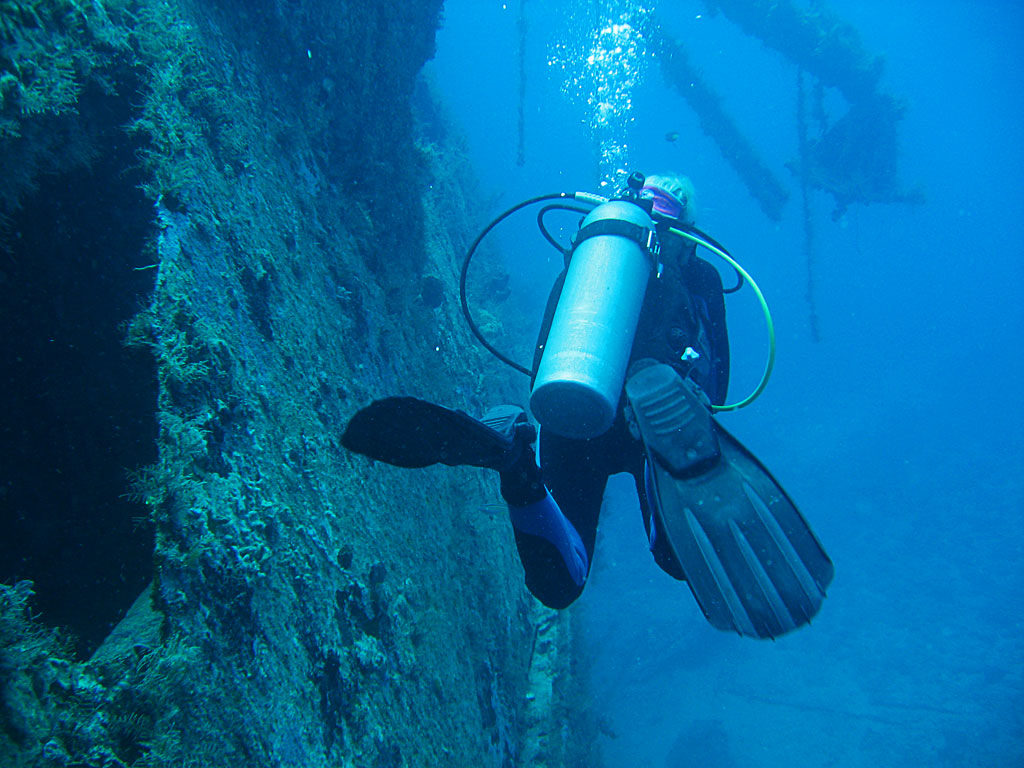
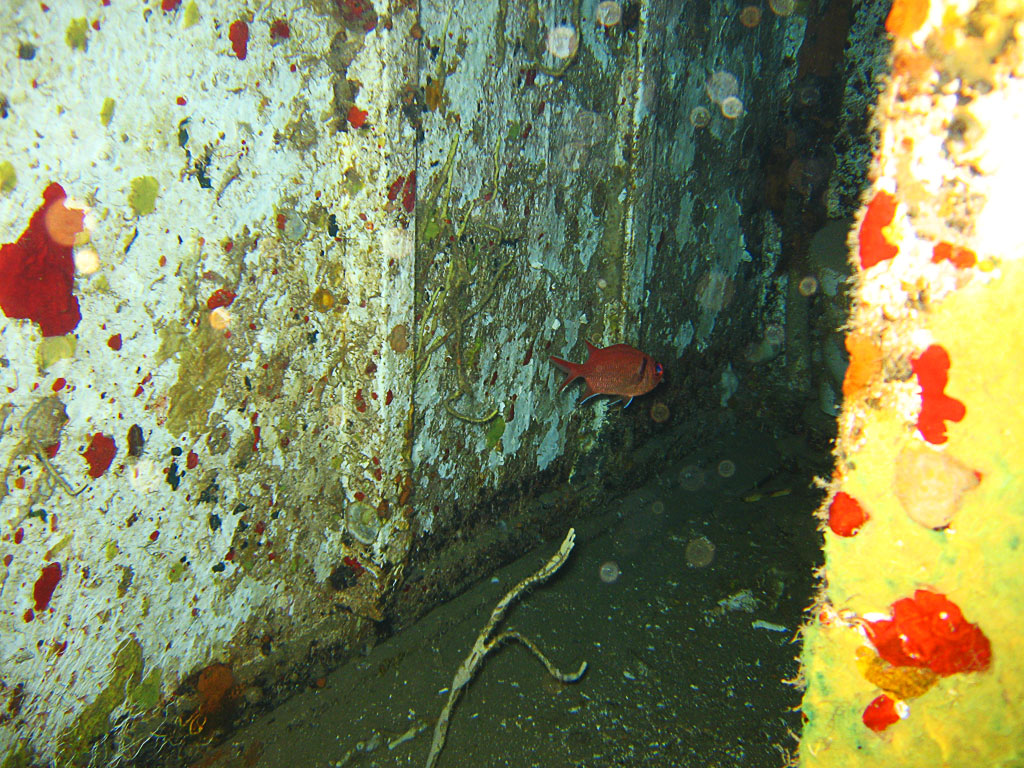
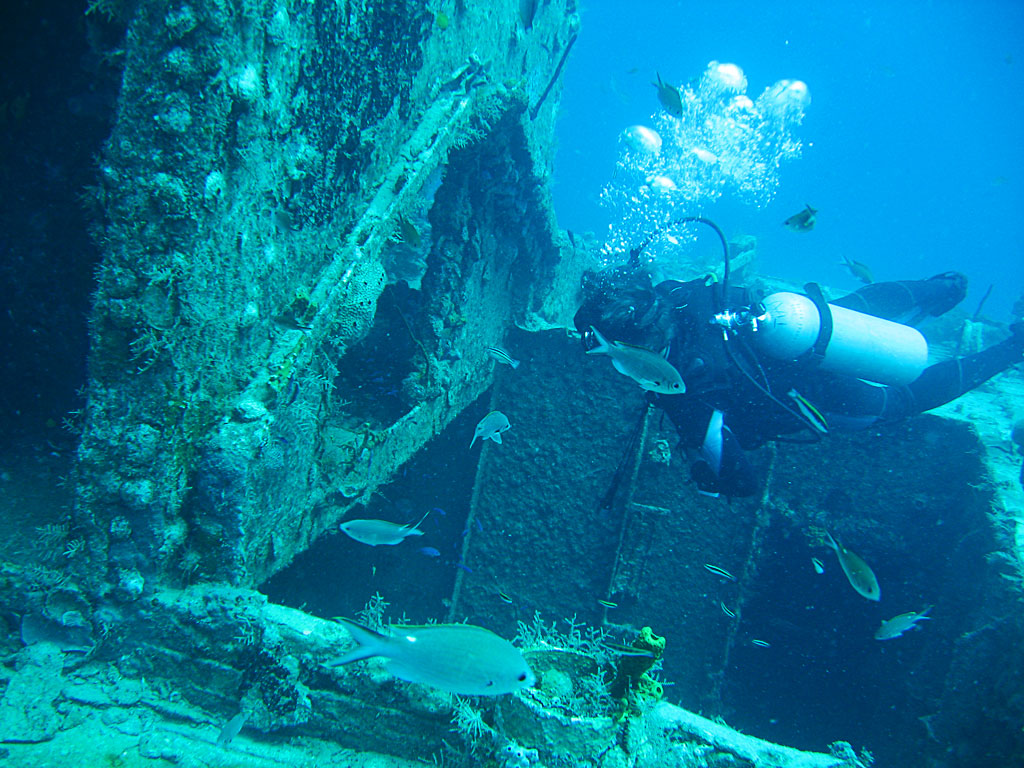
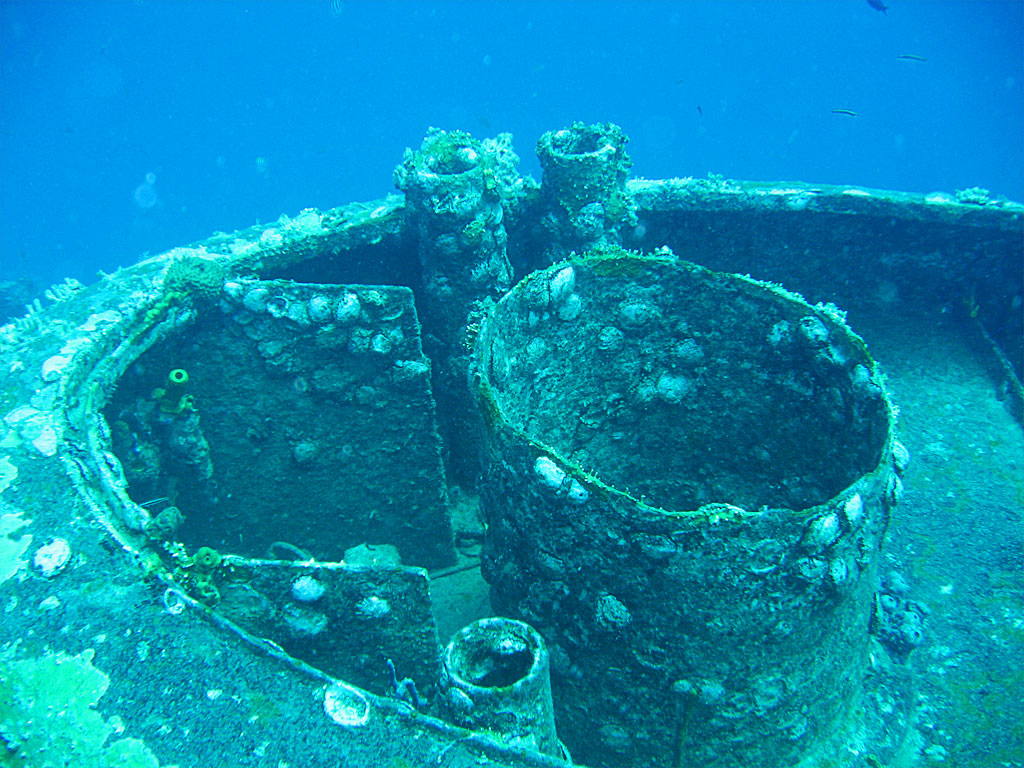
One of the top ten attractions in the Dominican Republic is Playa del Macao located in the North Coast of Punta Cana with soft white sand, turquoise waters and nice strings of waves routinely rolling to shore making an ideal place for surfers. This beach is brilliantly white and its noticeable shipwreck is a very well-known popular diving site.
Another attractions in Dominican Republic is Lago Enriquillo (huge salt-water lake) and the Eastern National Park, also known as Parque Nacional del Este, This is one of the largest marine parks in the Caribbean and home to 112 different bird species. It’s also a prime ecosystem for hundreds of other creatures. If you enjoy hiking do not miss Pico Duarte, the highest peak in all the Caribbean with spectacular views to the ocean beyond both the north and south shores (on a clear day)
Getting to Dominican Republic
The Dominican Republic can be reached by sea and by air. The major airports are located in Punta Cana, Santo Domingo and Santiago de los Caballeros. At the airport, you can change your US dollars and euros in Dominican Pesos. Note that you may not be able to exchange back local money to US dollars and euros, so do it before leaving.
Getting to Dominican Republic in a cruise is another option. You could also have the option of taking a ferry from Mayaguez, Puerto Rico to Santo Domingo.
United States and Canadian Citizens are required to provide any kind of proof of citizenship to enter or depart the Dominican Republic such as Birth certificate or passport other visitors from United Kingdom, Australia and New Zealand need a valid passport without visa. Visitors from some other countries may also require a visa for entry.
Getting around Dominican Republic
Travel by car is far the best way of getting around giving you the freedom to move around at your own pace and getting the flavor of the Island. Rental cars are available at the airport, hotels and some other places. But also taxis and multi-passenger vans are widely available in case that you are not planning to do major exploring.
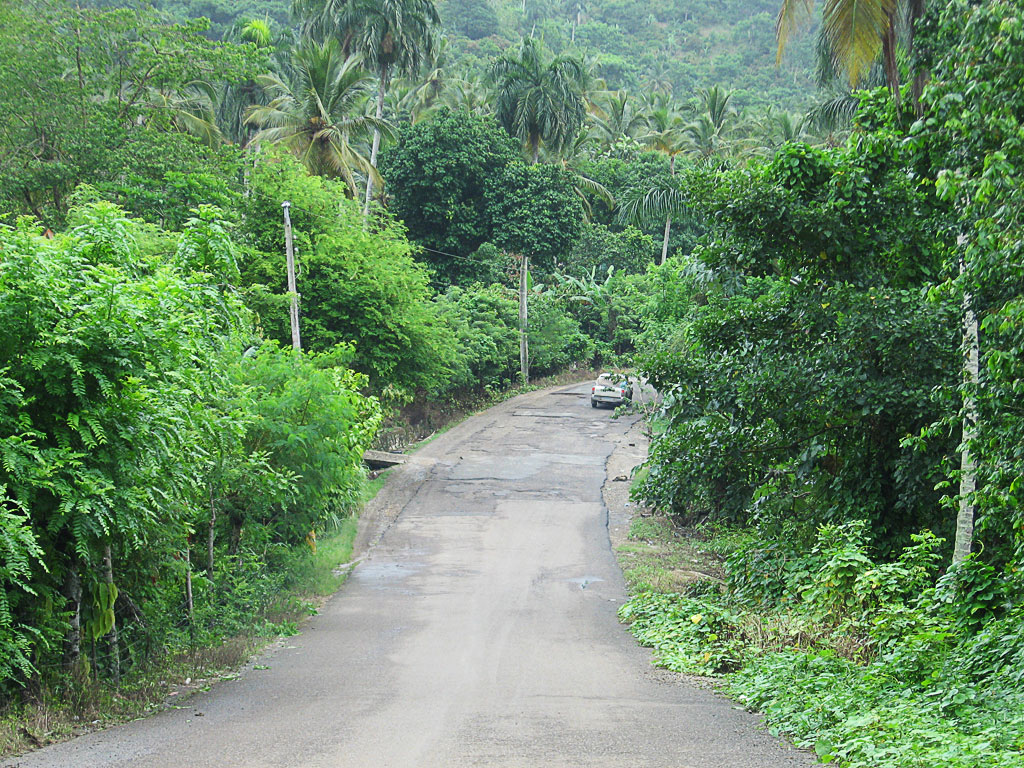
Traffic in the Dominican Republic moves on the right side of the road. Speed limits vary from 25 mph in the city to 60 mph on rural roads, but they are generally not enforced. Drivers are required to carry liability insurance. Although major highways are relatively smooth, the secondary roads especially those in the east are riddled with potholes and ruts. Roads could be tricky and are often not well marked. If you plan to drive in the Dominican Republic, you should be aware that the utmost caution and defensive driving are necessary.
Options for getting around the country include bus service called ‘gua-guas’ they are small battered vans or trucks that serve as a collective taxi running fixed routes that are very cheap but can also be very overloaded. Be aware that guaguas stop operating at dusk. There is no rail system in the country. Most towns and cities have regularly scheduled bus service, if not by one of the big bus companies.
The Dominican Republic is generally a safe country, although the major cities of Santo Domingo and Santiago are not considered too safe. The overall level of crime tends to rise during the Christmas season in Dominican Republic, and you should take extra precautions when visiting between November and January. Foreign tourists are often considered attractive targets for criminal activity and you should maintain a low profile and use common sense precautions to avoid becoming a victim of violence or crime.
Restaurants and Food in Dominican Republic
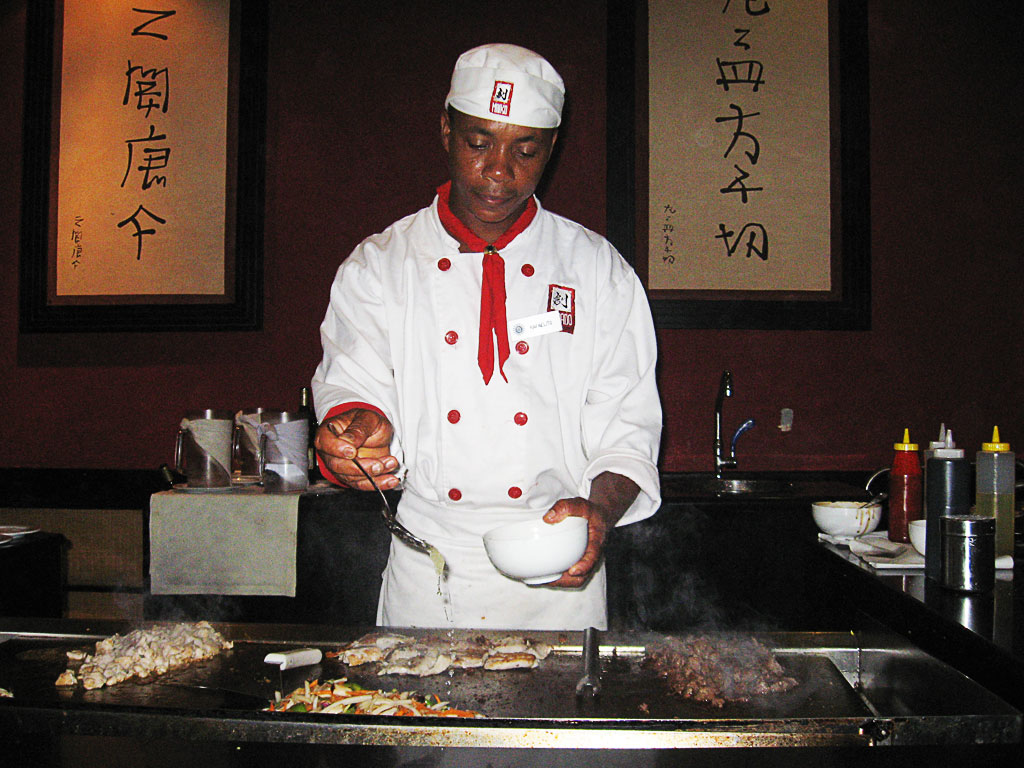
There are a lot of places to eat. Although most resorts offer better than average dinning it will be a great experience to try also one of the many reasonably priced independent restaurants. Depending on your preference and budget, you could enjoy a great meal starting from local family dining to the finest restaurants.
Santo Domingo’s culinary repertoire includes Spanish, Italian, Middle Eastern, Indian, Japanese and contemporary Dominican Cuisine. The freshest seafood is one of the best aspects of dining in Dominican Republic. Great prices are a plus. Some of the best restaurants are not in the tourist zone but in the business district of the modern city and in the upscale residential neighborhoods.
Among the best Dominican specialties are pescado al coco (fish in coconut sauce) mofongo (mashed green plantain with shredded pork), sancocho (thick meat stew), and queso frito (fried cheese). President is the most popular local beer but Bohemia has more flavors. It is highly recommended to avoid drinking tap water, fountain drinks, and ice cubes, except in luxury hotels and restaurants (which produce ice from bottled water). Eating salads or other food that may be washed in tap water is not recommended.
Shopping in Dominican Republic
In the tourist areas as well as in the cities, you will find upscale open air markets and well-known shopping centers with a variety of stores. Most prices can be negotiated. US dollars are accepted in most areas.
In the sophisticated capital city of Santo Domingo, there is a wide array of products. One of the best spots to do shopping is the Colonial District, where you could find several blocks of long outdoor mall named “El Conde Street”. It offers everything from street vendors and knock-off name brand clothing for extremely inexpensive prices. The shops in Santo Domingo tend to be open from Monday to Saturday from 9:00 a.m. to 7:00 p.m. in the evening. You will also find shops open on Sundays from 9:00 am. to 6:00 pm or even 8:00 pm.
The Dominican Republic is the biggest cigar-producing country in the world. Cigar aficionados believe many of the Dominican Republic-made cigars are superior in quality to the famous Cuban cigars. Cigar specialty shops tend to offer higher-end, brand name cigars.
Most of the clothing available in tourism destinations is tropical weather wear/beachwear – such as surf shorts, bathing suits, shorts, tank tops, etc.
Jewelry is found in abundance in the Dominican Republic, with the most prevalent jewelry items being inexpensive and casual, beaded necklaces, bracelets and earrings. The most popular pieces are the ones that incorporate either Larimar (unique to the Dominican Republic) or Amber.